

Permission to Play is a Discipline
As Zen teacher Shunryu Suzuki reminds us, “In the beginner’s mind there are many possibilities, but in the expert’s there are few.” Creativity research echoes this idea: when we disrupt established patterns, we reopen cognitive flexibility. Even psychiatrist Norman Doidge’s work on neuroplasticity suggests that new behaviors literally reshape the brain. Play, then, is not indulgence. It is a neurological expansion.
Play isn’t just emotional—it’s biological. Studies in cognitive psychology show that when we disrupt habitual patterns, we increase creative flexibility. The brain prefers efficiency, but efficiency rarely produces originality. Neuroscience demonstrates that new behaviors create new neural pathways. Even something as simple as using your non-dominant hand interrupts automatic motor patterns and quiets perfectionism. In other words, structured play isn’t indulgent—it’s strategic.
“Play is the highest form of research.”
It’s interesting how much we’ve limited play to something only children can claim. Even when I was looking for photos for this post, a search for “play” returned endless images of kids—the few adults shown were either gaming or playing an instrument.
But as creatives, we need to be playful people. I’ve mentioned before that on the Pixar campus, there are dedicated “play” areas where animators can simply mess around. It’s through that allowance of freedom that some of their most iconic ideas were born.
What I truly wish is that adults had recess. Right now, our breaks (those two 10-minute breathers and a 30-minute lunch) are usually just recovery time from our labors—and sometimes we work right through them. How fun would it be if at least two of those breaks included mandatory play? Imagine “play stations” in every break room where adults could cut loose and get lost in a task. It’s creative, it’s stress-relieving, and it’s community-driven. How awesome would that be?
Since that’s not our current reality (yet!), we have to build it for ourselves. Play may feel like something you need to ask permission for, but if you’re a creative, this is your natural state. If you’re feeling a little rusty, don’t worry—I’ve got you.
The 7-Day Play Challenge
Because play deserves structure, too. For the next seven days, your only task is to create without outcome. No posting required. No “improving” allowed. No monetizing permitted. Each day should take 20 minutes or less.
Day 1: Make Something Useless: A strange sketch, a chaotic collage, or a poem that makes no sense. Why? Because usefulness is not the same as value.
Day 2: Break Your Own Rule: If you use color, go monochrome. If you plan, improvise. Why? Play begins where control loosens.
Day 3: Create With Your Non-Dominant Hand: Draw, paint, or write with the “wrong” hand. Why? Perfection collapses when skill steps aside.
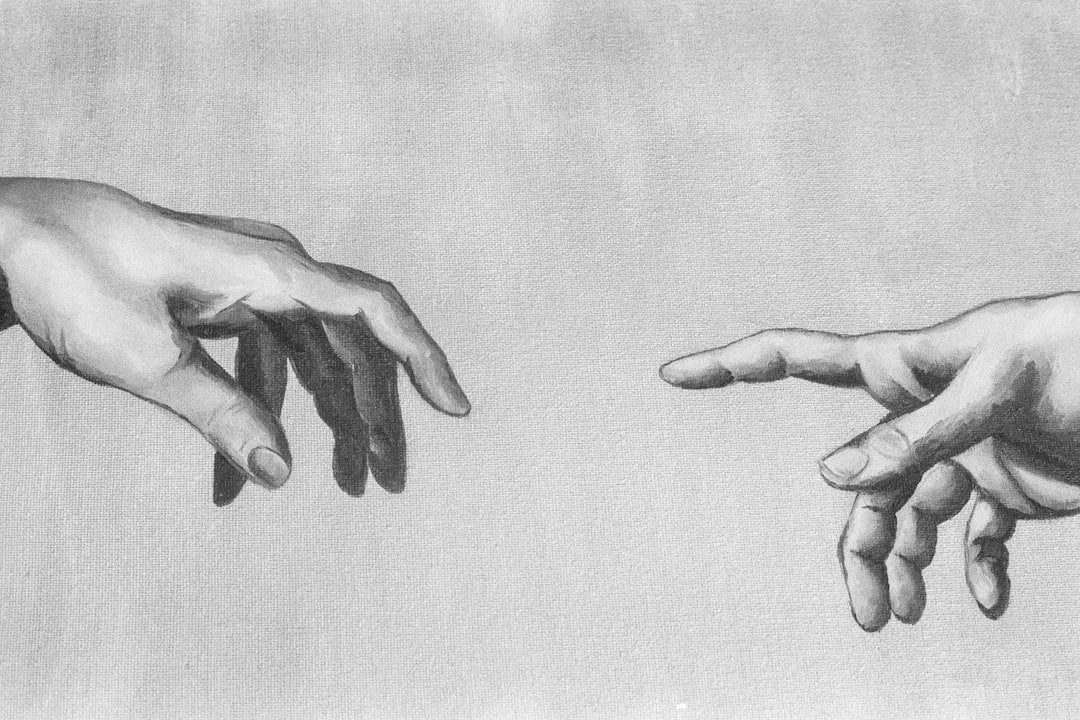
Day 4: Borrow From Another Medium: If you paint, write. If you write, collage. Why? Play cross-pollinates.
Day 5: Set a 10-Minute Timer: Create until the timer rings, then stop immediately. Why? Constraints build freedom.
Day 6: Revisit a Childhood Habit: Doodle. Dance. Cut paper. Do it exactly how you would have at eight years old. Why? Joy is archived, not lost.
Day 7: Make Something and Destroy It: Tear it up, wash it away, or paint over it. Why? Detachment is advanced play.
At the end of the day, play is not chaos. It is the disciplined choice to explore without needing to prove anything to anyone—including yourself.
We spend so much of our lives being “experts,” narrowing our vision to meet deadlines and expectations. But the magic happens in the margins. It happens when we stop worrying about the “final product” and start enjoying the process of making a mess.
So, consider this your official hall pass. Go be “useless” for twenty minutes. Break a rule. Use the wrong hand. You aren’t just “messing around”—you are re-wiring your brain for wonder. I can’t wait to see how your perspective shifts when you stop working and start playing.
Let’s get lost in it.